Page 8 of 30

A Jesus Christ Apocalypse to His Slaves with Scot McKnight

A translator of the Bible into English must possess a sensitivity to the possible meanings of Greek words and grammar used by (or possibly not used by) the original author, and an equally sensitive awareness of how the English word choices of other translators have aided or hindered understanding. Prof. McKnight puts forward fruitfully provocative English renditions of Revelation 1:1. Dr. Scot McKnight is Professor of New Testament at Northern Seminary in Lisle, IL. He has authored numerous books and articles, among which are Revelation for the Rest of Us: A Prophetic Call to Follow Jesus as a Dissident Disciple and (forthcoming) The Second Testament: A New Translation. Prof. McKnight blogs regularly at Scot’s Newsletter.

To hear the podcast (11 minutes) click here.
Who is the better Baal?

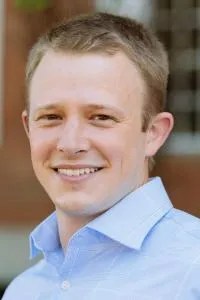
There are Hebrew word plays in 2 Kings 1 that are not apparent in English translations but are part of the original narrator’s intention, not without a touch of humor, to show that the Israelite prophet Elijah out-Baals Baal. Dr. Andrew Burlingame is a Wheaton College Classical Languages program alumnus and is now Assistant Professor of Hebrew at the same. He specializes in Northwest Semitic languages, including Hebrew, Aramaic, Phoenician, and Ugaritic, along with their history and texts. His recent publications are featured here

To hear the podcast click here.

Adoption? in Hosea with Andrew King

In the NIV of Hosea 1:2, the prophet is told to “marry a promiscuous woman and have children with her.” The Hebrew wording arguably intends the idea, “and adopt her [already born] children.” The larger concern is less with marriage than with household. Dr. Andrew M. King is Assistant Professor of Biblical Studies at Midwestern Baptist Theological Seminary and Spurgeon College, and co-director of Every Voice: A Center for Kingdom Diversity in Christian Theological Education. In addition to other things he has published Social Identity and the Book of Amos and he is currently writing a commentary on Hosea in the Pillar Old Testament Commentary series (Eerdmans, forthcoming).

To hear the podcast (10 min) click here.

The Akedah and Job with John Walton

The Akedah refers to the binding of Isaac (Genesis 22). How does Gen. 22:12 in its context of God’s promises to Abraham answer the question of why God asked Abraham to sacrifice Isaac? Hint: There are parallels with Job. Dr. John Walton, Professor of Old Testament at Wheaton Graduate School, is a frequent contributor to this podcast. His many publications concentrate especially in the backgrounds, language, and thought of the Old Testament world.

To hear the podcast (9 min.) click here.

“Exegetically Speaking” is a weekly podcast of the friends and faculty of Wheaton College, IL and The Lanier Theological Library. Hosted by Dr. David Capes, it features language experts who discuss the importance of learning the biblical languages—Hebrew, Aramaic, and Greek—and show how reading the Bible in the original languages “pays off.” Each podcast lasts between seven and eleven minutes and covers a different topic for those who want to read the Bible for all it is worth.

If you’re interested in going deeper, learn more about Wheaton’s undergraduate degree in Classical Languages (Greek, Hebrew, and Latin) and our MA in Biblical Exegesis

You can hear Exegetically Speaking on SpotifyStitcherApple Podcasts, and YouTube. If you have questions or comments, please contact us at exegetically.speaking@wheaton.edu. And keep listening. 

Does Everyone Speak in Tongues?

Christopher Hays

It is possible for a small Greek word to lift a great weight of misunderstanding from one’s heart. In 1 Cor. 12:30 Paul’s question about the gift of tongues is marked as rhetorical, expecting a negative answer, by just such a word. Christopher M. Hays is the president of Scholar Leaders. Among his publications are When the Son of Man Didn’t Come: A Constructive Proposal on the Delay of the Parousia and Renouncing Everything: Money and Discipleship in Luke.

To hear the Exegetically Speaking Podcast (10 minutes) click here.

“Exegetically Speaking” is a weekly podcast of the friends and faculty of Wheaton College, IL and The Lanier Theological Library. Hosted by Dr. David Capes, it features language experts who discuss the importance of learning the biblical languages—Hebrew, Aramaic, and Greek—and show how reading the Bible in the original languages “pays off.” Each podcast lasts between seven and eleven minutes and covers a different topic for those who want to read the Bible for all it is worth.

If you’re interested in going deeper, learn more about Wheaton’s undergraduate degree in Classical Languages (Greek, Hebrew, and Latin) and our MA in Biblical Exegesis

You can hear Exegetically Speaking on SpotifyStitcherApple Podcasts, and YouTube. If you have questions or comments, please contact us at exegetically.speaking@wheaton.edu. And keep listening.