
Page 24 of 29

Sorting out Ambiguities: Greek to English
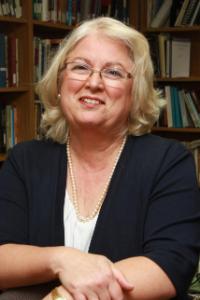
Dr. Karen Jobes, Professor Emerita, Wheaton College

Dr. Karen Jobes is Gerald F. Hawthorne Professor of New Testament Greek and Exegesis, Emerita, at Wheaton College. She has authored many books and articles, including Invitation to the Septuagint and commentaries on Esther, 1 Peter, and 1, 2, 3 John. She served for years on the Committee for Bible Translation (responsible for the NIV translation of the Bible). She talks about her own introduction to Greek and notes passages where our English translations raise ambiguities that are clarified by knowledge of the Greek.

To hear the podcast (8 minutes) click here.

“Exegetically Speaking” is a weekly podcast of the friends and faculty of Wheaton College, IL and The Lanier Theological Library. Hosted by Dr. David Capes, it features language experts who discuss the importance of learning the biblical languages—Hebrew, Aramaic, and Greek—and show how reading the Bible in the original languages “pays off.” Each podcast lasts between seven and eleven minutes and covers a different topic for those who want to read the Bible for all it is worth.

If you’re interested in going deeper, learn more about Wheaton’s undergraduate degree in Classical Languages (Greek, Hebrew, and Latin) and our MA in Biblical Exegesis

You can hear Exegetically Speaking on SpotifyStitcherApple Podcasts, and YouTube. If you have questions or comments, please contact us at exegetically.speaking@wheaton.edu.
Nathan’s ‘Gotcha’ Parable

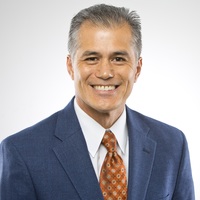
Dr. Phillip Marshal, HBU

Dr. Phillip Marshall is Assistant Professor of Biblical Languages in the School of Christian Thought, Houston Baptist University. He completed his doctoral work in the ancient Greek versions of the Hebrew OT, that is, in Septuagint studies, which helped engender his love for both Greek and Hebrew. In this episode, he joins Dr. David Capes to explore how the knowledge of Hebrew adds texture and poignancy to the reading of Nathan’s words to David about his adultery with Bathsheba, wife of Uriah.

To hear the podcast (9 minutes) click here.

“Exegetically Speaking” is a weekly podcast of the friends and faculty of Wheaton College, IL and The Lanier Theological Library. Hosted by Dr. David Capes, it features language experts who discuss the importance of learning the biblical languages—Hebrew, Aramaic, and Greek—and show how reading the Bible in the original languages “pays off.” Each podcast lasts between seven and eleven minutes and covers a different topic for those who want to read the Bible for all it is worth.

If you’re interested in going deeper, learn more about Wheaton’s undergraduate degree in Classical Languages (Greek, Hebrew, and Latin) and our MA in Biblical Exegesis

You can hear Exegetically Speaking on SpotifyStitcherApple Podcasts, and YouTube. If you have questions or comments, please contact us at exegetically.speaking@wheaton.edu.
Tobit: Reading outside the Canon

Dr. Doug Penney on “Exegetically Speaking”

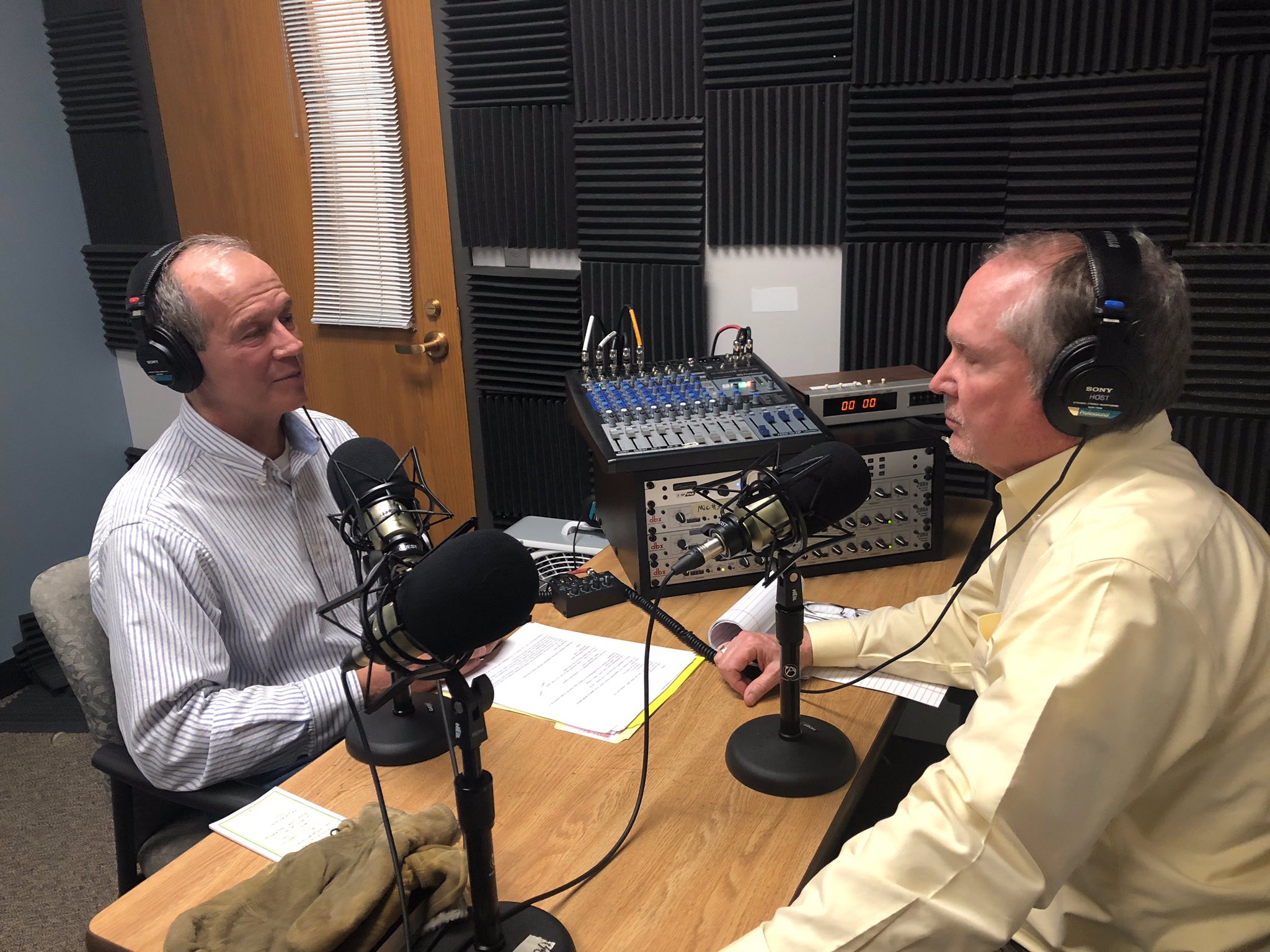
One of the best things you can do to work on your Greek is to read outside the canon. Why? Because it forces you to translate every word rather than to rely on your memory of the English Bible. Dr. Doug Penney, Associate Professor of Classical Languages at Wheaton College, is an expert in reading Greek and reading outside the canon. He joins me on “Exegetically Speaking” to discuss how he encourages students to read outside the canon of Scripture in order to sharpen their translation skills. Reading Tobit, a book of the Apocrypha, takes them to a text they do not know. There are also a few surprises here as well that help us understand better the world of the Bible.

To hear the podcast click here.

“Exegetically Speaking” is a weekly podcast of the friends and faculty of Wheaton College, IL and The Lanier Theological Library. Hosted by Dr. David Capes, it features language experts who discuss the importance of learning the biblical languages—Hebrew, Aramaic, and Greek—and show how reading the Bible in the original languages “pays off.” Each podcast lasts between seven and eleven minutes and covers a different topic for those who want to read the Bible for all it is worth.

If you’re interested in going deeper, learn more about Wheaton’s undergraduate degree in Classical Languages (Greek, Hebrew, and Latin) and our MA in Biblical Exegesis

You can hear Exegetically Speaking on SpotifyStitcherApple Podcasts, and YouTube. If you have questions or comments, please contact us at exegetically.speaking@wheaton.edu.
Naming the Name of the Lord

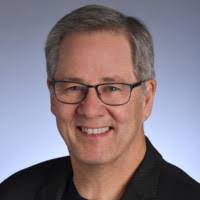
Dr. Bill Mounce

Dr. Bill Mounce is the the founder and President of BiblicalTraining.org, and the author of a major commentary on Paul’s letters to Timothy and Titus. In a separate podcast titled “BiblicalTraining.org” we heard more of his life and work. In this episode he joins Dr. Capes to talk about the interpretation, translation, implications, and preaching of Paul’s reference to the “naming of the Name of the Lord” in 2 Tim. 2:19.

To hear the podcast click here. https://exegeticallyspeaking.libsyn.com/election-holiness-naming-the-name-2-timothy-219

“Exegetically Speaking” is a weekly podcast of the friends and faculty of Wheaton College, IL and The Lanier Theological Library. Hosted by Dr. David Capes, it features language experts who discuss the importance of learning the biblical languages—Hebrew, Aramaic, and Greek—and show how reading the Bible in the original languages “pays off.” Each podcast lasts between seven and eleven minutes and covers a different topic for those who want to read the Bible for all it is worth.

If you’re interested in going deeper, learn more about Wheaton’s undergraduate degree in Classical Languages (Greek, Hebrew, and Latin) and our MA in Biblical Exegesis

You can hear Exegetically Speaking on SpotifyStitcherApple Podcasts, and YouTube. If you have questions or comments, please contact us at exegetically.speaking@wheaton.edu

I Have Plans for You

Dr. Michael Graves, Wheaton College

Dr. Michael Graves is the Armerding Professor of Biblical Studies at Wheaton College. He has produced several books and articles, including a modern translation of Jerome’s Commentary on Jeremiah (IVP Academic, 2012). He is currently working on his own commentary on the same prophet. In this episode, Dr. Graves discusses the “tin woodman theology” behind a text of Scripture that is on many refrigerators, and rightly so: Jeremiah 29:11. 

To hear the podcast click here.

“Exegetically Speaking” is a weekly podcast of the friends and faculty of Wheaton College, IL and The Lanier Theological Library. Hosted by Dr. David Capes, it features language experts who discuss the importance of learning the biblical languages—Hebrew, Aramaic, and Greek—and show how reading the Bible in the original languages “pays off.” Each podcast lasts between seven and eleven minutes and covers a different topic for those who want to read the Bible for all it is worth.

If you’re interested in going deeper, learn more about Wheaton’s undergraduate degree in Classical Languages (Greek, Hebrew, and Latin) and our MA in Biblical Exegesis

You can hear Exegetically Speaking on SpotifyStitcherApple Podcasts, and YouTube. If you have questions or comments, please contact us at exegetically.speaking@wheaton.edu.