
Page 3 of 4

A Daily Dose of Greek

Dr. Robert Plummer,  the Collin and Eveyln Aikman Professor of Biblical Studies at The Southern Baptist Theological Seminary, started a free daily 2-minute screencast about five years ago designed to help pastors, seminary students, and others keep reading their Greek New Testaments. He describes how it has grown into thousands of archived episodes and expanded to do the same for Hebrew and Latin. There are Spanish versions of the Greek and Hebrew screencasts as well. Two to three minutes a day in the text. It’s like having a free personal trainer for your languages! 

To listen to the brief podcast click here.

“Exegetically Speaking” is a weekly podcast of the friends and faculty of Wheaton College, IL and The Lanier Theological Library. Hosted by Dr. David Capes, it features language experts who discuss the importance of learning the biblical languages—Hebrew, Aramaic, and Greek—and show how reading the Bible in the original languages “pays off.” Each podcast lasts between seven and eleven minutes and covers a different topic for those who want to read the Bible for all it is worth.

If you’re interested in going deeper, learn more about Wheaton’s undergraduate degree in Classical Languages (Greek, Hebrew, and Latin) and our MA in Biblical Exegesis

You can hear Exegetically Speaking on SpotifyStitcherApple Podcasts, and YouTube. If you have questions or comments, please contact us at exegetically.speaking@wheaton.edu. And keep listening. 
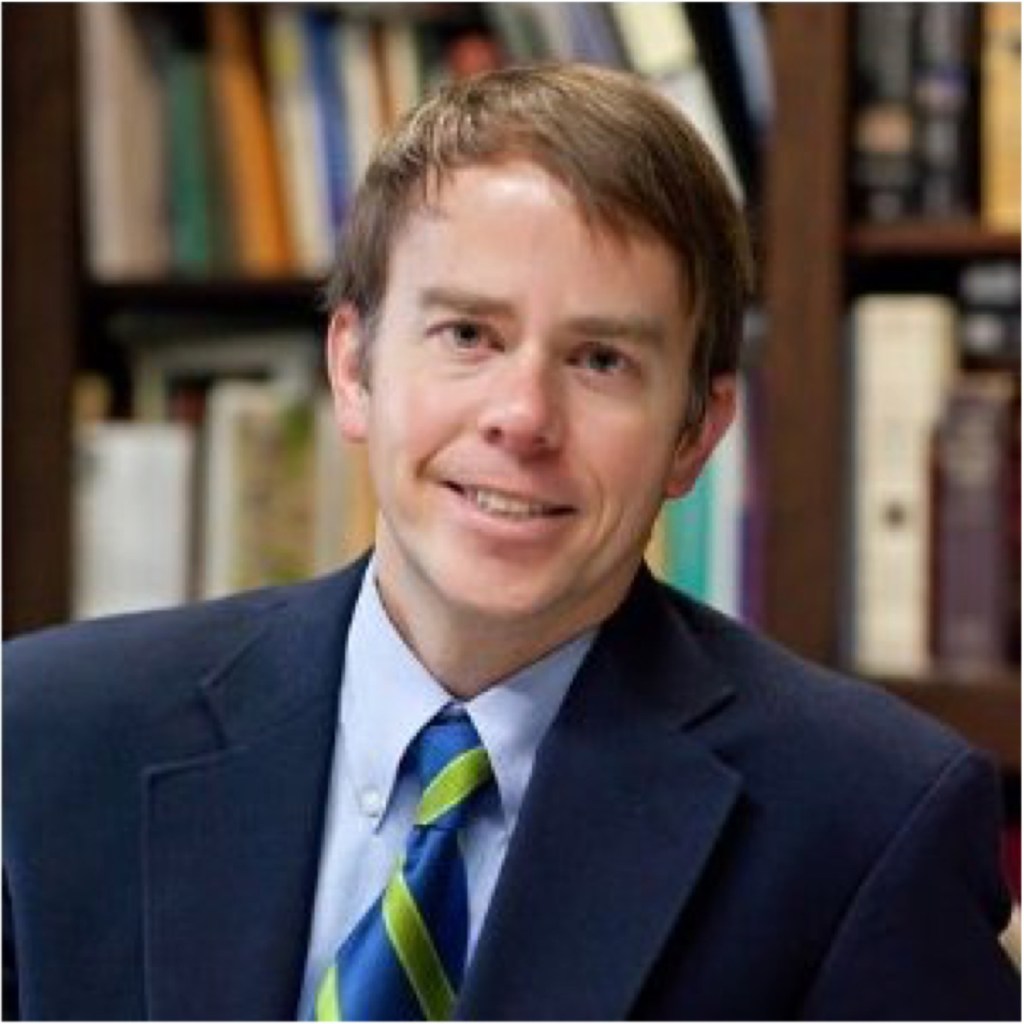
Pablo Seguel: The Architecture of Language

A friend and former student of mine, Pablo Seguel, recorded an episode of Exegetically Speaking with me a while back in order to talk about his experiences as a architect in Chili helped him understand biblical languages. He reminds us that there is architecture to language just as there is architecture in erecting a strong building.

To listen to this 7 minute podcast please cut and paste the following URL to your browser:

http://exegeticallyspeaking.libsyn.com/the-architecture-of-language

or click here.

“Exegetically Speaking” is a weekly podcast of the friends and faculty of Wheaton College, IL and The Lanier Theological Library. Hosted by Dr. David Capes, it features language experts who discuss the importance of learning the biblical languages—Hebrew, Aramaic, and Greek—and show how reading the Bible in the original languages “pays off.” Each podcast lasts between seven and eleven minutes and covers a different topic for those who want to read the Bible for all it is worth.

If you’re interested in going deeper, learn more about Wheaton’s undergraduate degree in Classical Languages (Greek, Hebrew, and Latin) and our MA in Biblical Exegesis

You can hear Exegetically Speaking on SpotifyStitcherApple Podcasts, and YouTube. If you have questions or comments, please contact us at exegetically.speaking@wheaton.edu. And keep listening. 

Deliver Us from Evil?

The final petition of the Lord’s Prayer, the one many memorized, ended “deliver us from evil” (Matthew 6). It is as if evil is this abstract thing from which we need protection. But modern translations have opted for a different reading. In this episode of Exegetically Speaking, I talk with Dr. Robert Plummer, the Collin and Evelyn Aikman Professor of Biblical Studies at The Southern Baptist Theological Seminary and the host of the Daily Dose of Greek screencast (dailydoseofgreek.com), who considers whether the Lord teaches us to pray for deliverance from evil in general, as many translations have it, or from “the evil one,” the devil. Grammar and context, he argues, favor taking it as a reference to the devil.

To listen simply cut and paste the following URL into your browser:

http://exegeticallyspeaking.libsyn.com/deliver-us-from-the-evil-one-matt-613

or click here.

Better yet subscribe to the podcast on YouTube, Spotify, Stitcher or your favorite podcast plato

Syntax Matters: Titus 2:13

Dr. Jon Laansma, Gerald F. Hawthorne Professor of New Testament Greek and Exegesis at Wheaton College, joins me on “Exegetically Speaking” to show the ways Titus 2:13 illustrates how the knowledge of Greek grammar doesn’t usually lead to one “correct” interpretive conclusion, but to a range of viable interpretations. The gains are knowing the boundaries of what is viable and the ability to converse authoritatively with other qualified interpreters.

“Exegetically Speaking” is a weekly podcast of the friends and faculty of Wheaton College, IL and The Lanier Theological Library. Hosted by Dr. David Capes, it features language experts who discuss the importance of learning the biblical languages—Hebrew, Aramaic, and Greek—and show how reading the Bible in the original languages “pays off.” Each podcast lasts between seven and eleven minutes and covers a different topic for those who want to read the Bible for all it is worth.

You can hear Exegetically Speaking on Spotify, Stitcher, iTunes, and YouTube. If you have questions or comments, please contact us at exegetically.speaking@wheaton.edu. And keep listening. 

For the episode above cut and paste the following URL to your browser:

http://exegeticallyspeaking.libsyn.com/syntax-matters-titus-213

Or click here.

Reading Outside the Canon: Aesop’s Fables

Dr. Doug Penney, Associate Professor of Classical Languages, joins me on Exegetically Speaking to discuss how he encourages students to read outside the canon of Scripture in order to sharpen their translation skills. Often, when students read a New Testament book in Greek, they rely on their memory to produce a translation. Reading Aesop’s Fables takes them to a text they do not know. And it alerts them to cultural signals that they would have never known by just reading inside the canon.