Page 40 of 127

“Then Sings My Soul”–Robert Morgan
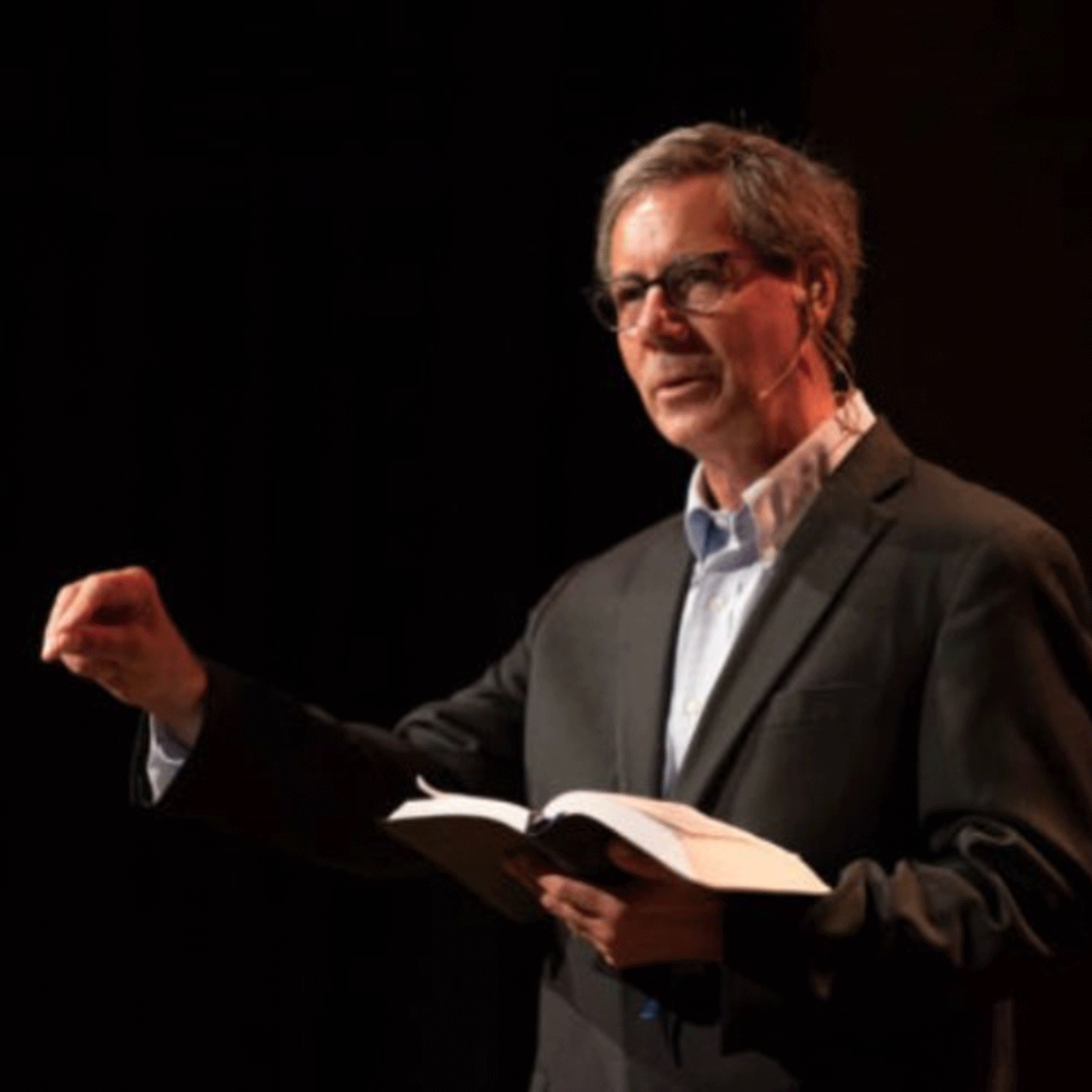
Robert Morgan, Teaching Pastor,
The Donelson Fellowship

Robert Morgan, teaching pastor at the Donelson Fellowship in Nashville, TN, has authored more than twenty books.  He lectured at the Stone Chapel on August 21, 2021. While at the library, he talked with David Capes on “The Stone Chapel Podcasts” about his series, Then Sings My Soul published by Thomas Nelson, particularly the third volume in that series. Morgan has been dubbed “the dean of American hymnody” by our own Dr. Capes and is doing more than anyone we know to promote the singing of music old and new in our churches. Older people, he says, need to sing the latest music, and young people need to sing the legacy music. Rather than segregating traditional and contemporary services, which effectively creates different congregations, Morgan advocates for intergenerational worship and training young and old alike to appreciate the music o.

To hear the podcast (22 minutes) click here.

The Stone Chapel is a podcast of the friends and staff of the Lanier Theological Library in Houston, Texas.  It is hosted by Dr. David Capes, Senior Research Fellow at the library and former faculty member at Houston Baptist University and Wheaton College.  The purpose of the podcast is to bring to our audience great conversations from the world’s leading experts in theology, biblical studies, archaeology, Church history, the Dead Sea Scrolls, ethics, ministry, and a host of other topics close to the mission of the library.

The Lanier Theological Library is a magnet for scholars, church leaders and influencers.  For the last ten years, it has welcomed hundreds of academics and church leaders from across the globe for public lectures, study, panel discussions, consultations, and encouragement.

These podcasts as well as the Lanier library and the Stone Chapel are generously underwritten by Mark and Becky Lanier and the Lanier Theological Library Foundation.  If you have questions or comments, please be in touch: Email david.capes@lanierlibrary.org

How many ways can you translate a Greek participle?


Dr. Michael Graves,
Wheaton College

Dr. Michael Graves is the Armerding Professor of Biblical Studies at Wheaton College. Among his publications are The Inspiration and Interpretation of Scripture: What the Early Church Can Teach Us (Eerdmans, 2014), and the forthcoming How Scripture Interprets Scripture: What Biblical Writers Can Teach us About Reading the Bible (Baker, 2021). In this episode he illustrates the fascinating range of nuances carried by Greek adverbial participles and the interpretive, sometimes debated choices that translators must make. Our translations are good, but knowledge of the Greek is better!

To hear the podcast click here.

“Exegetically Speaking” is a weekly podcast of the friends and faculty of Wheaton College, IL and The Lanier Theological Library. Hosted by Dr. David Capes, it features language experts who discuss the importance of learning the biblical languages—Hebrew, Aramaic, and Greek—and show how reading the Bible in the original languages “pays off.” Each podcast lasts between seven and eleven minutes and covers a different topic for those who want to read the Bible for all it is worth.

If you’re interested in going deeper, learn more about Wheaton’s undergraduate degree in Classical Languages (Greek, Hebrew, and Latin) and our MA in Biblical Exegesis

You can hear Exegetically Speaking on SpotifyStitcherApple Podcasts, and YouTube. If you have questions or comments, please contact us at exegetically.speaking@wheaton.edu. And keep listening. 

Mark through Old Testament Eyes

Andy LePeau

Andy LePeau has been in academic publishing for many years with InterVarsity Press.  He is also a talented writer and the author of a new book with Kregel Academic entitled Mark through Old Testament Eyes.  He serves as series editor for this new background and application commentary called “Through Old Testament Eyes” and stops by to talk with David Capes on “The Stone Chapel” about the series and about some of the things he discovered about Mark’s Gospel after teaching it for over fifteen years. The book begins: “The New Testament writers were Old Testament people.”  He goes on to demonstrate the many ways the Old Testament shaped the minds and hearts of the first Christ followers. He estimates that 90-95% of the Gospel is clarified when we understand the Old Testament view of the God and his people.  It is a terrific book and an impressive series.  In case you were wondering, you can find it at the Lanier Theological Library.  To learn more about Andy, go to his blog “Andy Unedited”: www.andyunedited.com

To hear the podcast click here.

The Stone Chapel is a podcast of the friends and staff of the Lanier Theological Library in Houston, Texas.  It is hosted by Dr. David Capes, Senior Research Fellow at the library and former faculty member at Houston Baptist University and Wheaton College.  The purpose of the podcast is to bring to our audience great conversations from the world’s leading experts in theology, biblical studies, archaeology, Church history, the Dead Sea Scrolls, ethics, ministry, and a host of other topics close to the mission of the library.

The Lanier Theological Library is a magnet for scholars, church leaders and influencers.  For the last ten years, it has welcomed hundreds of academics and church leaders from across the globe for public lectures, study, panel discussions, consultations, and encouragement.

These podcasts as well as the Lanier library and the Stone Chapel are generously underwritten by Mark and Becky Lanier and the Lanier Theological Library Foundation.  If you have questions or comments, please be in touch: Email david.capes@lanierlibrary.org
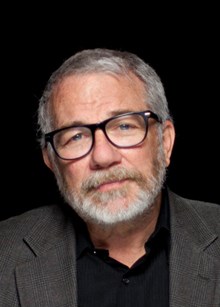
The “Synagogue” of James 2:2–Dr. Jordan Ryan

Dr. Jordan Ryan, Wheaton College

Dr. Jordan Ryan, Assistant Professor of New Testament at Wheaton College, has published The Role of the Synagogue in the Aims of Jesus (Fortress, 2017), followed by, From the Passion to the Church of the Holy Sepulchre: Memories of Jesus in Place, Pilgrimage, and Early Holy Sites Over the First Three Centuries (T&T Clark, 2021). He talks with David Capes about his beginnings with Greek and its place in his work before reflecting on how we understand and translate the word συναγωγή (synagoge) in general and in James 2:2. For instance, is James addressing Christian members of a Jewish synagogue?

To hear the podcast click here.

“Exegetically Speaking” is a weekly podcast of the friends and faculty of Wheaton College, IL and The Lanier Theological Library. Hosted by Dr. David Capes, it features language experts who discuss the importance of learning the biblical languages—Hebrew, Aramaic, and Greek—and show how reading the Bible in the original languages “pays off.” Each podcast lasts between seven and eleven minutes and covers a different topic for those who want to read the Bible for all it is worth.

If you’re interested in going deeper, learn more about Wheaton’s undergraduate degree in Classical Languages (Greek, Hebrew, and Latin) and our MA in Biblical Exegesis

You can hear Exegetically Speaking on SpotifyStitcherApple Podcasts, and YouTube. If you have questions or comments, please contact us at exegetically.speaking@wheaton.edu. And keep listening. 

Centre for Muslim-Christian Studies, Oxford, England

Dr. Ida Glaser

Dr. Ida Glaser, International Academic Coordinator and Founding Fellow of the Oxford Centre for Muslim-Christian Studies, joins David Capes on “The Stone Chapel” to talk about her life and the mission of the Oxford Centre she and her husband, David Coffey, established.  They bring Muslims and Christians together in formal study to relate honestly, think rigorously, and explore their respective traditions and religious texts.  They have been involved with scholars, research, and public education for the last 12 years.  Their website is  https://www.cmcsoxford.org.

In 2020 they established a center in Houston which had many challenges during the Covid pandemic.  Still they have made some amazing connections and established key relationships. Their Houston website is: https://www.cmcshouston.org. Be sure to pay careful attention to the story she tells about reading part of the Abraham story with rabbis and Muslims. They have many on-line resources which are free and will deepen your understanding of your faith and the faiths of others.

To hear the podcast (25 minutes) click here.