From Saul to Paul with Steve Walton

To hear the podcast click here.

For the first several chapters in the book of Acts, the author, Luke, consistently speaks of one Saul, but at 13:9 Luke begins referring to him as Paul, which is also the name that this apostle uses in all his letters. Where do these two names come from? What does each mean? Why this switch in which name is used? Dr. Steve Walton is Senior Research Fellow in New Testament at Trinity College in Bristol, U.K., and former Secretary of the British New Testament Society. His many publications include (with David Wenham), Exploring the New Testament, vol. 1: The Gospels and Acts. He is currently working on a major critical commentary on Acts for the Word Biblical Commentary Series; volume 1 will appear in October 2024. He has contributed past episodes to this podcast series, and you can read an article of his on the topic of this episode here

Check out related programs at Wheaton College:

B.A. in Classical Languages: https://bit.ly/3xx6tfm 

M.A. in Biblical Exegesis: https://bit.ly/3TLAvn2 
Beelzebub with Doug Penney

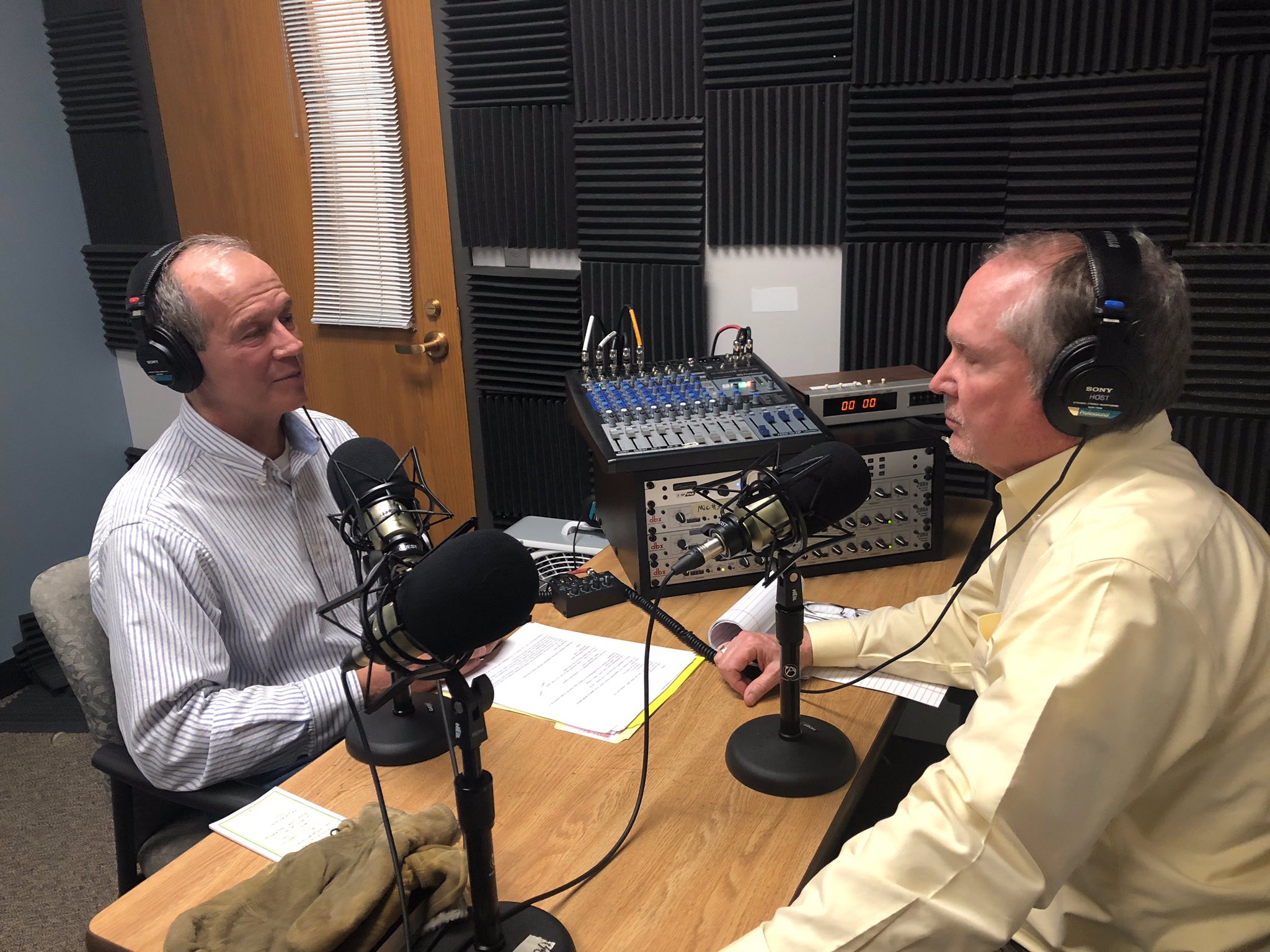
Doug Penney, Wheaton College, with David Capes

Dr. Doug Penney, Associate Professor of Classical Languages at Wheaton College, draws from his detailed research in ancient magic and demonology, especially in terms of the development of names of demons, to discuss the name Beelzebub (Beelzebul) and some other background to the controversy between Jesus and his accusers in Matthew 12.

To hear the podcast (7-8 minutes) click here.

“Exegetically Speaking” is a weekly podcast of the friends and faculty of Wheaton College, IL and The Lanier Theological Library. Hosted by Dr. David Capes, it features language experts who discuss the importance of learning the biblical languages—Hebrew, Aramaic, and Greek—and show how reading the Bible in the original languages “pays off.” Each podcast lasts between seven and eleven minutes and covers a different topic for those who want to read the Bible for all it is worth.

If you’re interested in going deeper, learn more about Wheaton’s undergraduate degree in Classical Languages (Greek, Hebrew, and Latin) and our MA in Biblical Exegesis

You can hear Exegetically Speaking on SpotifyStitcherApple Podcasts, and YouTube. If you have questions or comments, please contact us at exegetically.speaking@wheaton.edu. And keep listening. 

The Name of God

Dr. Aubrey Buster, Assistant Professor of Old Testament at Wheaton College, joins me on “Exegetically Speaking” to discuss the meaning of the Hebrew Name that God takes for himself during his first appearance to Moses. What its meaning was, why it was given, how it has been spelled and pronounced in the Hebrew and English traditions, and why these later forms were adopted.

The podcast is about 7 minutes.

To listen, just cut and paste the following URL into your favorite browser:

http://exegeticallyspeaking.libsyn.com/the-name-of-god-exod-314

or click here.

“Exegetically Speaking” is a weekly podcast of the friends and faculty of Wheaton College, IL and The Lanier Theological Library. Hosted by Dr. David Capes, it features language experts who discuss the importance of learning the biblical languages—Hebrew, Aramaic, and Greek—and show how reading the Bible in the original languages “pays off.” Each podcast lasts between seven and eleven minutes and covers a different topic for those who want to read the Bible for all it is worth.

If you’re interested in going deeper, learn more about Wheaton’s undergraduate degree in Classical Languages (Greek, Hebrew, and Latin) and our MA in Biblical Exegesis

You can hear Exegetically Speaking on SpotifyStitcherApple Podcasts, and YouTube. If you have questions or comments, please contact us at exegetically.speaking@wheaton.edu. And keep listening. 

Playing with Words

Michelle Knight (PhD, Wheaton College), Assistant Professor of Old Testament and Semitic Languages at Trinity Evangelical Divinity School, takes us through several passages to show how meaning is constructed sometimes by playing with words. In the Tower of Babel account (Genesis 11), the people build a tower to make a name (shem) for themselves but God foils their plan and makes Shem, the ancestor of Abraham. More examples await!    Michelle Knight

Copy and paste the following URL:

http://exegeticallyspeaking.libsyn.com/playing-with-words

or click here.