
Page 14 of 31

The Good News in Isaiah with Ingrid Faro
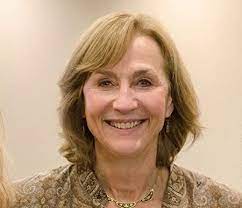
Dr. Ingrid Faro, Northern Seminary

Dr. Ingrid Faro is Visiting Professor of Old Testament at Northern Seminary in Lisle, IL, and also teaches at the Scandinavian School of Theology in Sweden. Among other things, she is the author of Evil in Genesis: A Contextual Analysis of Hebrew Lexemes for Evil in the Book of Genesis. She tells of how she learned modern Hebrew in Israel, separately experienced the deep pain of relational abuse and loss, and eventually studied both ancient Hebrew and Greek. From that learning, she draws out the aspects of meaning appreciated through a knowledge of the Hebrew wording of Isaiah 61:1-3, the passage Jesus applied to himself in Luke 4.

To hear the podcast (12 minutes) click here.

“Exegetically Speaking” is a weekly podcast of the friends and faculty of Wheaton College, IL and The Lanier Theological Library. Hosted by Dr. David Capes, it features language experts who discuss the importance of learning the biblical languages—Hebrew, Aramaic, and Greek—and show how reading the Bible in the original languages “pays off.” Each podcast lasts between seven and eleven minutes and covers a different topic for those who want to read the Bible for all it is worth.

If you’re interested in going deeper, learn more about Wheaton’s undergraduate degree in Classical Languages (Greek, Hebrew, and Latin) and our MA in Biblical Exegesis

You can hear Exegetically Speaking on SpotifyStitcherApple Podcasts, and YouTube. If you have questions or comments, please contact us at exegetically.speaking@wheaton.edu. And keep listening. 
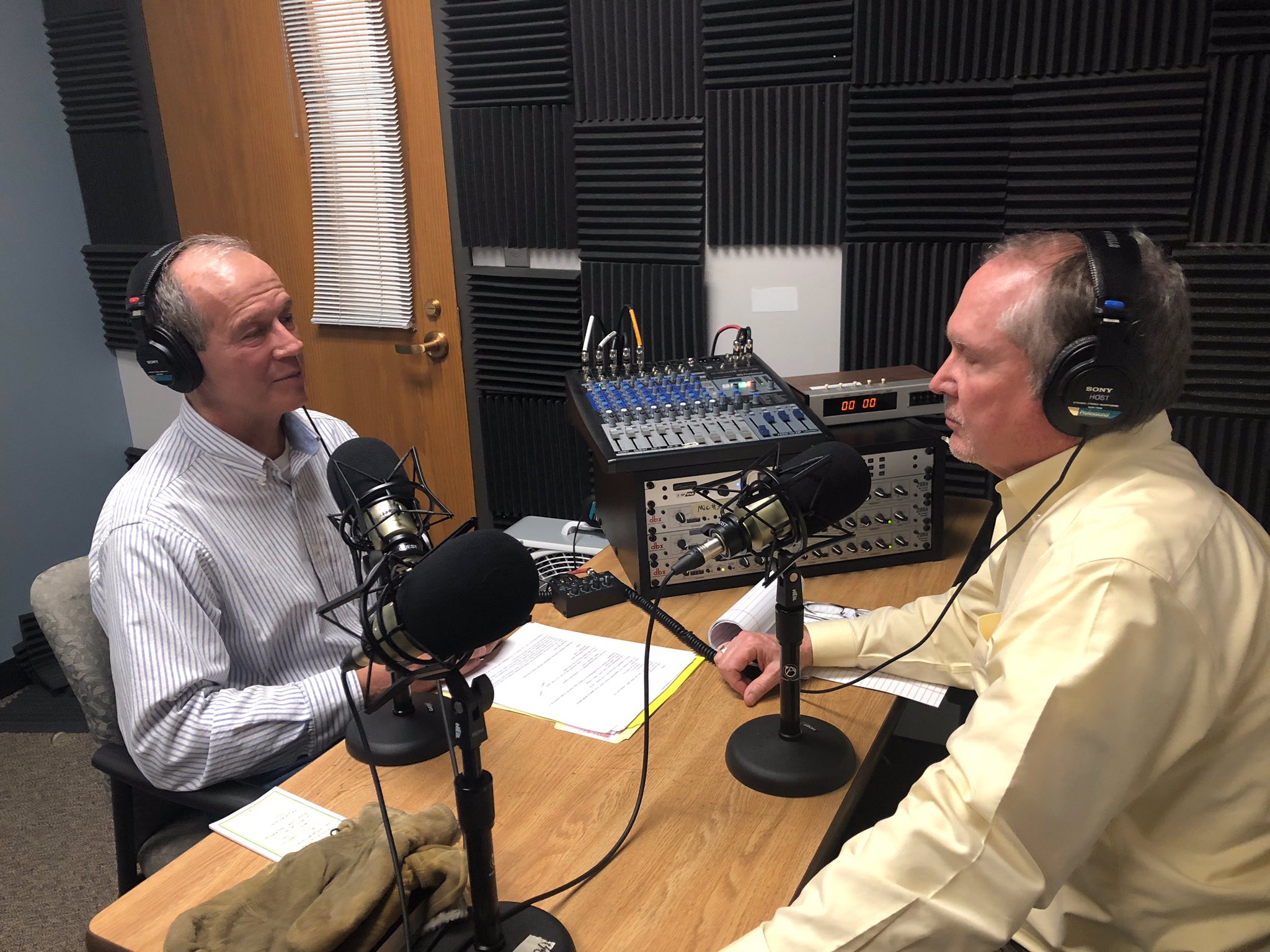
Beelzebub with Doug Penney

Doug Penney, Wheaton College, with David Capes

Dr. Doug Penney, Associate Professor of Classical Languages at Wheaton College, draws from his detailed research in ancient magic and demonology, especially in terms of the development of names of demons, to discuss the name Beelzebub (Beelzebul) and some other background to the controversy between Jesus and his accusers in Matthew 12.

To hear the podcast (7-8 minutes) click here.

“Exegetically Speaking” is a weekly podcast of the friends and faculty of Wheaton College, IL and The Lanier Theological Library. Hosted by Dr. David Capes, it features language experts who discuss the importance of learning the biblical languages—Hebrew, Aramaic, and Greek—and show how reading the Bible in the original languages “pays off.” Each podcast lasts between seven and eleven minutes and covers a different topic for those who want to read the Bible for all it is worth.

If you’re interested in going deeper, learn more about Wheaton’s undergraduate degree in Classical Languages (Greek, Hebrew, and Latin) and our MA in Biblical Exegesis

You can hear Exegetically Speaking on SpotifyStitcherApple Podcasts, and YouTube. If you have questions or comments, please contact us at exegetically.speaking@wheaton.edu. And keep listening. 

Raising Children Who Are Mighty in the Land, Phil Ryken

Dr. Phil Ryken, President, Wheaton College

Dr. Phil Ryken, Professor of Theology and President of Wheaton College & Graduate School, studied Greek under Gerald Hawthorne at Wheaton College and has authored numerous expository commentaries along with topical studies such as Art for God’s Sake: A Call to Recover the Arts. He discusses a verse that was meaningful for him as a parent. What is the meaning of “mighty” and what does it mean for Christian parenting?

To hear the podcast (8 minutes) click here.

“Exegetically Speaking” is a weekly podcast of the friends and faculty of Wheaton College, IL and The Lanier Theological Library. Hosted by Dr. David Capes, it features language experts who discuss the importance of learning the biblical languages—Hebrew, Aramaic, and Greek—and show how reading the Bible in the original languages “pays off.” Each podcast lasts between seven and eleven minutes and covers a different topic for those who want to read the Bible for all it is worth.

If you’re interested in going deeper, learn more about Wheaton’s undergraduate degree in Classical Languages (Greek, Hebrew, and Latin) and our MA in Biblical Exegesis

You can hear Exegetically Speaking on SpotifyStitcherApple Podcasts, and YouTube. If you have questions or comments, please contact us at exegetically.speaking@wheaton.edu. And keep listening. 
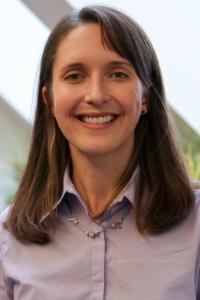
The Magnificat, with Amy Peeler

Amy Peeler, Wheaton College

Dr. Amy Peeler, Associate Professor of New Testament, has authored You Are My Son: The Family of God in the Epistle to the Hebrews (T&T Clark, 2015) along with articles on a range of NT texts and topics. Her next book, focused on the Incarnation and entitled Mother of God, will be published in 2022 (Eerdmans). She has team-taught a course on Mary, the mother of Jesus, and in this conversation she explains the contextual meaning, artistic form, and the liturgical importance of Mary’s song, known traditionally as the Magnificat.

To hear the podcast (11 minutes) click here.

“Exegetically Speaking” is a weekly podcast of the friends and faculty of Wheaton College, IL and The Lanier Theological Library. Hosted by Dr. David Capes, it features language experts who discuss the importance of learning the biblical languages—Hebrew, Aramaic, and Greek—and show how reading the Bible in the original languages “pays off.” Each podcast lasts between seven and eleven minutes and covers a different topic for those who want to read the Bible for all it is worth.

If you’re interested in going deeper, learn more about Wheaton’s undergraduate degree in Classical Languages (Greek, Hebrew, and Latin)and our MA in Biblical Exegesis

You can hear Exegetically Speaking on SpotifyStitcherApple Podcasts, and YouTube. If you have questions or comments, please contact us at exegetically.speaking@wheaton.edu. And keep listening. 

Words and the Transfiguration, Jon Laansma

Jon Laansma, Wheaton College

Dr. Jon Laansma, the Gerald F. Hawthorne Professor of New Testament Greek and Exegesis at Wheaton College, has published works on Hebrews, 2 Timothy, Titus, Sabbath, Lord’s Day, and Greek verbs, among other things, and is in the early stages of a commentary on 1 Corinthians. In this episode of Exegetically Speaking, he uses the Transfiguration narrative to illustrate different questions we ask in studying an author’s word choices.

To hear the podcast (12 min) click here.

“Exegetically Speaking” is a weekly podcast of the friends and faculty of Wheaton College, IL and The Lanier Theological Library. Hosted by Dr. David Capes, it features language experts who discuss the importance of learning the biblical languages—Hebrew, Aramaic, and Greek—and show how reading the Bible in the original languages “pays off.” Each podcast lasts between seven and eleven minutes and covers a different topic for those who want to read the Bible for all it is worth.

If you’re interested in going deeper, learn more about Wheaton’s undergraduate degree in Classical Languages (Greek, Hebrew, and Latin) and our MA in Biblical Exegesis

You can hear Exegetically Speaking on SpotifyStitcherApple Podcasts, and YouTube. If you have questions or comments, please contact us at exegetically.speaking@wheaton.edu. And keep listening.