
Theodicy vs. Anti-theodicy with Jahdiel Perez
This transcript has been edited for clarity and space.
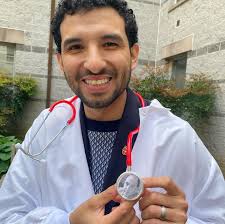
Hey everybody. My name is Jahdiel Perez, and I’m an Assistant Professor of Humanities and Sciences at Villanova University in Pennsylvania.
David Capes
Jahdiel, welcome to The Stone Chapel Podcast. Great to see you again.
Jahdiel Perez
Great to see you too. Thanks for having me.
David Capes
Oh, this is a delight. I was deeply impressed by your presentation here, and we’ll say more about that in a few minutes. But for those who don’t know Jahdiel Perez, who are you?
Jahdiel Perez
I’m a Guatemalan and Puerto Rican pastor’s kid that grew up in Boston. I wanted nothing to do with school. I hated school with a passion. When I was about 19 years old, I had this encounter with the writings of C. S. Lewis, and it completely changed my life. I felt like God was waking me up and inviting me to play this really intriguing game with him that I later learned was called philosophy, theology, apologetics.
And after that moment, I just wanted to spend my life wrestling with the some of the most important questions that we can ask as human beings. And then God opened the doors to study theology at Harvard and to get my doctoral degree at Oxford University. Now in this latest stage I’ve taken up a position of Humanities and Sciences at Villanova. So, it’s just a pleasure to be with you
David Capes
Well, having watched you teach when you were at the Lanier Theological Library, I can tell your students are very fortunate to have you, because you’re very clear. You know where you want to go with a lecture. You were here for part of a conference that we did with Amy Orr Ewing entitled C.S. Lewis and the Problem of Pain. You did a lecture to a smaller group of people who were gathered here for the Lanier Certificate in Theology and Ministry. You did a talk and called it C.S. Lewis Among Contemporary Theologians. I have retitled it Theodicy versus Anti-theodicy. In a sense, you pit the two against each other. Let’s just get into the definitions. First of all, you start by defining horrendous evil. We all sort of know the idea of evil, but what do you mean by a horrendous evil?
Jahdiel Perez
Horrendous evil is this idea that this philosopher, Marilyn McCord Adams, introduced in 1990 and the idea was that when we talk about how God relates to suffering, we’re not talking about just ordinary suffering. We’re not talking about the kind of suffering where you have a cavity or a headache. What Adams wanted to do was to distinguish those kinds of suffering where you can point them to a greater good. Like, if you go to the dentist, it’s for health, right? The pain that you feel at the gym is for health as well. There are ways you can easily think about a good reason for suffering.
Horrendous evil is this category of evil where it’s almost impossible to try to find or imagine a good reason why somebody could suffer like that. And she defines it as life-ruining evil. It’s a kind of suffering where you question that your life could ever be meaningful again, or that anything good could compensate for that evil. So that’s basically how she defined the category. And ever since this has been the main term that philosophers and theologians have been debating over. So now we’re not talking about evil anymore. We’re talking about horrendous evil.
David Capes
One of the ways that that philosophers and theologians deal with that is through an idea that you find in philosophy and theology. Theodicy is the key term. When you say theodicy, what do you mean by that?
Jahdiel Perez
There’s a few ways to define theodicy. It comes from these two terms, Theos and Dike, which means God and justice. I’m defending the justice of God, the nature of God in the face of suffering. So there’s this obvious tension between the magnitude of suffering and the goodness of God, right? And maybe you’ve heard of the problem of evil. The idea that, if God is all good and all powerful and morally perfect, how can he allow so much suffering? So theodicy, simply put, is a response to the problem of evil. It tries to defend the nature of God in the face of suffering.
There’s two ways to think about theodicy. One is primarily in terms of truth. I’m searching for the truth about God in the midst of suffering. Another way is, I’m searching for meaning that God can give to my suffering. Those are two different ways that the discussion goes. Some philosophers will want to debate, is theodicy true? Others will want to say, is it helpful? Does it give suffering meaning that allows us to experience it and cope better with suffering?
David Capes
I guess it’s probably the perfect answer, if you find that it is both true and it helps you discover meaning. But now there’s this movement that is called anti-theodicy. What is anti-theodicy?
Jahdiel Perez
This movement really picked up steam in the middle of the past century, during the world wars, from all the carnage and all the unprecedented suffering and terror that that we experienced together. There’s a book called God after Auschwitz, and it says that you can’t look at God the same way. Before we used to imagine evil as something horrendous, but now, after two world wars, after all the carnage of the 20th century, now that it means something so much more, something so much deeper. It’s almost like we share this collective trauma that makes us look at God differently.
So anti-theodicy wants to say this, there is no meaningful relationship between God and horrendous suffering. Their main thesis is this, that horrendous suffering is inherently meaningless, and there’s no way to redeem it. There’s no way to find meaning in it, to justify it, that the most appropriate moral response as a community and as individuals, is to reject the Theodicy. That doesn’t mean we reject God.
It just means we reject the attempt to reconcile God with suffering. They think this is not helpful. They think there are philosophical problems with it, but the big impetus behind anti-theodicy is morality. They think it’s evil to try to impose a kind of God-given meaning to suffering if the people suffering don’t accept it. We used to think this was valid, but after the 20th century, there’s no way we can keep doing this. It’s irresponsible and sometimes harmful.
David Capes
That’s the idea that came across very carefully in your presentation here, that theodicy they claim, harms people. That people are harmed further by attempting to find this meaning and reconcile God with that suffering. You cite a number of people and let me just include two, because I know both. I’ve met both of John Swinton and Rowan Williams, and here’s a statement by Williams, who was Archbishop of Canterbury.
Perhaps it is time for philosophers to look away from the theodicy. Part of the task of good theology and a candid religious philosophy is, I believe, to reacquaint us with our materiality and mortality, and part of that is the knowledge of suffering as without explanation or compensation. It is more religiously imperative to be worried about evil than to put it into a satisfactory theoretical context.
You talk about how in theodicy, what we do is take a faraway view of it. We look at it in an abstract way, but they look at it theoretically. Comment on Williams’s ideas there.
Jahdiel Perez
I think Rowan Williams has a really intriguing perspective on what makes theology good. Up until the anti-theodicy movement, you just assumed that if you have a theology that doesn’t answer the problem of evil, it’s a bad theology. He’s flipping the script and saying, actually, theology can do its job better, it can draw you closer to God if you don’t respond to the problem of evil, if you affirm anti-theodicy.
The important thing to note here is that anti theodicy is not just an atheist critique of religion, but actually some theologians, very good theologians like Rowan Williams and John Swinton have said, wait, there’s an insight here that can actually help us do theology and pastoral care even better. Now, personally, as I said in my lecture, I have some questions and comments and some reservations about that, but I do think that they’re hitting onto something important. They’re trying to make us aware that when we talk about God, it has consequences. If we’re not careful, we might actually do harm to people because they’re not at the correct stage of processing their loss. My position is not, oh, they’re just all false. Let’s just throw their ideas away. I think this can serve as a very important corrective to how we do theodicy.
David Capes
Part of what you do in this paper, and a part of what you’re working on with your broader project that I hope one day will be published in a book, is to not necessarily say, okay, anti-theodicy is completely wrong. But you say it’s mostly wrong. There are some things about it that we ought to listen to, and there are some things about it that, in fact, are wrong. And part of that is the question of, does theodicy actually harm people? You’re looking at psychological studies. Tell us a little bit about that and how that research is developing for you.
Jahdiel Perez
My research project is trying to intervene into this debate between theodicists and anti-theodicists, primarily from a psychological perspective. I can say this because I started as a philosopher. I still am a philosopher. I absolutely love philosophy, but we’re not often aware when we are making empirical claims, a claim about the physical, observable, measurable universe. Sometimes we just like to say things about human beings, but we don’t realize that this is an empirical claim, not just a philosophical speculation.
So my first move is, let me track the empirical claims that keep going back and forth in this debate. Instead of just philosophically debating them why don’t we look at the psychological studies? What can they tell us, if anything, about the way human beings respond to suffering and trauma? So it’s very important that I shift from horrendous evil to talking specifically about trauma and PTSD. That’s the way psychologists speak about hurt, and it’s evil. I think it’s yielded very interesting insights.
I’ve found areas where anti-theodicies are correct. They’re just absolutely correct. One of their main points is called the argument from insensitivity. It’s the idea that theodicy is inherently insensitive to people who are suffering. That there’s no time, there’s no place where you can articulate a theodicy, and it will be helpful. It’s always going to be harmful. It’s always going to be insensitive.
I think that they take that a little too far, but they’re correct that people who are suffering from PTSD, almost universally have a common symptom called hyper-arousal. It’s hypersensitivity. Somebody who’s traumatized can get triggered at the smallest cues, at the smallest remembrance. Sometimes just the tone of your voice, sometimes just your facial expression, sometimes if you just use the wrong word, it can trigger them and remind them of the imprints of their trauma. And anti-theodicists are picking up on this. Their concern about sensitivity is exactly correct that people who have suffered horrendously and have been traumatized tend to be hypersensitive. Not just our level of sensitivity, but they tend to be hyper-aroused, hyper-sensitive. So maybe we need to be very careful with how we talk about God and how we talk about theodicy.
In my research, I have found almost the opposite, that theodicy doesn’t just help people who are suffering, but helps even caregivers that are giving medical or therapeutic care to victims of horrendous evil. If you have some kind of meaning that you can give to suffering that’s going to make it less potentially traumatic for you. One way of defining trauma is an event that you cannot make meaning of, you cannot integrate it into the overall story of your life or your overall worldview. And insofar as that event or that suffering remains that way, remains senseless, the imprints of trauma are going to continue. They’re going to affect you physically. They’re going to affect you cognitively, psychologically, spiritually.
But if you have a framework that can try to make meaning of suffering, even horrendous suffering, you’re more likely to be able to cope with it better. What I found so far is that some of the empirical claims in the debate are not what the anti-theodicists think. If theodicy hurts individuals, it is not necessarily because theodicy is harmful, but because those individuals are in a very particular, very specific moment of processing their loss. They’re in a very specific moment of their grief. It’s very clear that your sensibilities and your needs change depending on which stage you are at.
So, my argument is, what if the Theodicy is harmful and theodicy is offensive at the earliest stages of grief. Of course, you don’t want to hear about God when you just lost your loved one or when you just experienced trauma. Who cares about God in those moments, right? Sometimes you don’t want to hear about it. Sometimes it’s defensive. It’s hurtful. But what the anti-theodicists think is that that’s the only stage of grief, and that if you feel that way immediately, you’re bound to feel that way 10, 20, or 30 years after the event. And psychologists have shown that’s just not the case. The way we make judgments about our meaning in life changes and can change very dramatically based on many different factors. But one of them is, which stage of grief are you in?
David Capes
Yes, that is huge. That is fascinating. One of the things that you talk about is the fact that it is important at some stage, at some point in grief, that a person actively maintain a distancing. That it’s helpful to distance yourself and to think theoretically about that, because you said that it helps to reduce stress and anxiety and negative emotions. It reduces the blood pressure, it reduces cardiovascular activity etc. And here’s a statement that you made that I thought was interesting. That “self-immersion in stressful events can lead to maladaptive reflection, more anxiety, more worry, more saying this is catastrophic, higher blood pressure, higher cardiovascular activity. That a part of what philosophers do and theologians do is to conceive of these things Theoretically, and that it’s helpful for people who are in some stage of grief to look at it from that perspective. Would you comment on that?
Jahdiel Perez
This relates to another major argument of anti-theodicists and it is called the “argument from detachment”. The more you abstract away from the specific, embodied suffering, the less clearly you’ll be able to see the suffering and to evaluate it correctly. So. the further you are away, the more harmful you are going to be to someone who’s suffering. If you’re suffering, you want to know you’re not alone, right? You want people to come close to you. Maybe not to talk to you, but at least to be present. So that doesn’t make some sense.
However, what psychologists have found is that there’s two ways of looking at any specific moment in life, especially trauma. One is from a self-immersed perspective, which uses “I” statements, which means this is happening to me right now, at this very moment. I’m reliving, reenacting the trauma. Another is from a self-distance perspective, which is trying to create some sort of psychological distance between who you are now and the you that suffered the trauma.
What psychologists have found is that trauma is overwhelming. What it does is that it keeps you trapped in the moment. It affects the way you perceive time. So even years after the event, you might think you’re still suffering. And one of the interventions that therapists like to make is precisely to create psychological self-distancing from this event. Because if you cannot distance yourself specifically from that traumatic stress, all those factors that we mentioned, anxiety, heart rate, depression, reactivity of your heart and all these biological markers tend to increase without this kind of psychological self-distancing.
What if the theodicy provides the kind of distance that individuals need to cope better with suffering, and this is something that I think there’s enough evidence to suggest. But what if it’s not the argument per se that helps us cope better? What if it’s just the distance from the trauma and the meaning that it can give that can help us live better with suffering?
David Capes
It’s a fascinating study Jahdiel. Thank you for being with us today on The Stone Chapel Podcast.
Jahdiel Perez
I appreciate it. Thank you so much for having me any time.
A Nugget of Wisdom from Jahdiel Perez
One of my favorite sayings is that if you’re the smartest person in the room, then you’re in the wrong room. I think it’s very important to surround yourself with people that are ahead of you, that are smarter than you. I never want to be the smartest person in the room, the most spiritual person in the room. I found that every time I’ve grown in life, or anytime I’ve succeeded or have been promoted, it’s because I have mentors around me that can help me grow.


 A Word in Edgewise
You must be logged in to post a comment.