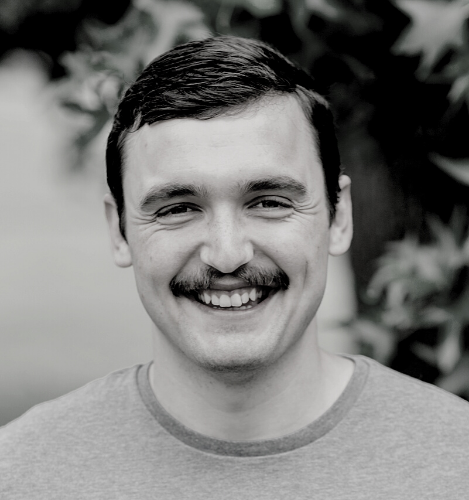
Biblingo comprises a suite of online resources for learning the biblical languages, including a variety of digital aids and the option of live cohort training. The unifying mission of Biblingo is to advance God’s Word in the world by making the biblical languages more accessible and easier to learn through technology. Here to talk about this is Nick Messmer, co-founder and Head of Growth of Biblingo and an alumnus of Wheaton Graduate School’s M.A. in Biblical Exegesis.
Did you know Wheaton College has a Classical Languages program? Learn more >
A key Greek phrase, πίστις Χριστοῦ (with variations), has been hotly debated as to its meaning and translation: “Christ’s faith(fulness)”? “Faith in Christ?” Maybe, however, the sense is closer to: “the Christ faith.” Dr. Kevin Grasso (Hebrew University of Jerusalem) is co-founder and CEO of Biblingo, which exists “to advance God’s Word in the world by making the biblical languages more accessible and easier to learn through technology.” He is currently working on a revision of his dissertation on verbs of judgment in Biblical Hebrew as well as linguistic introductions to both Biblical Hebrew and Biblical Greek. Check out their podcast.
“Exegetically Speaking” is a weekly podcast of the friends and faculty of Wheaton College, IL and The Lanier Theological Library. Hosted by Dr. David Capes, it features language experts who discuss the importance of learning the biblical languages—Hebrew, Aramaic, and Greek—and show how reading the Bible in the original languages “pays off.” Each podcast lasts between seven and eleven minutes and covers a different topic for those who want to read the Bible for all it is worth.
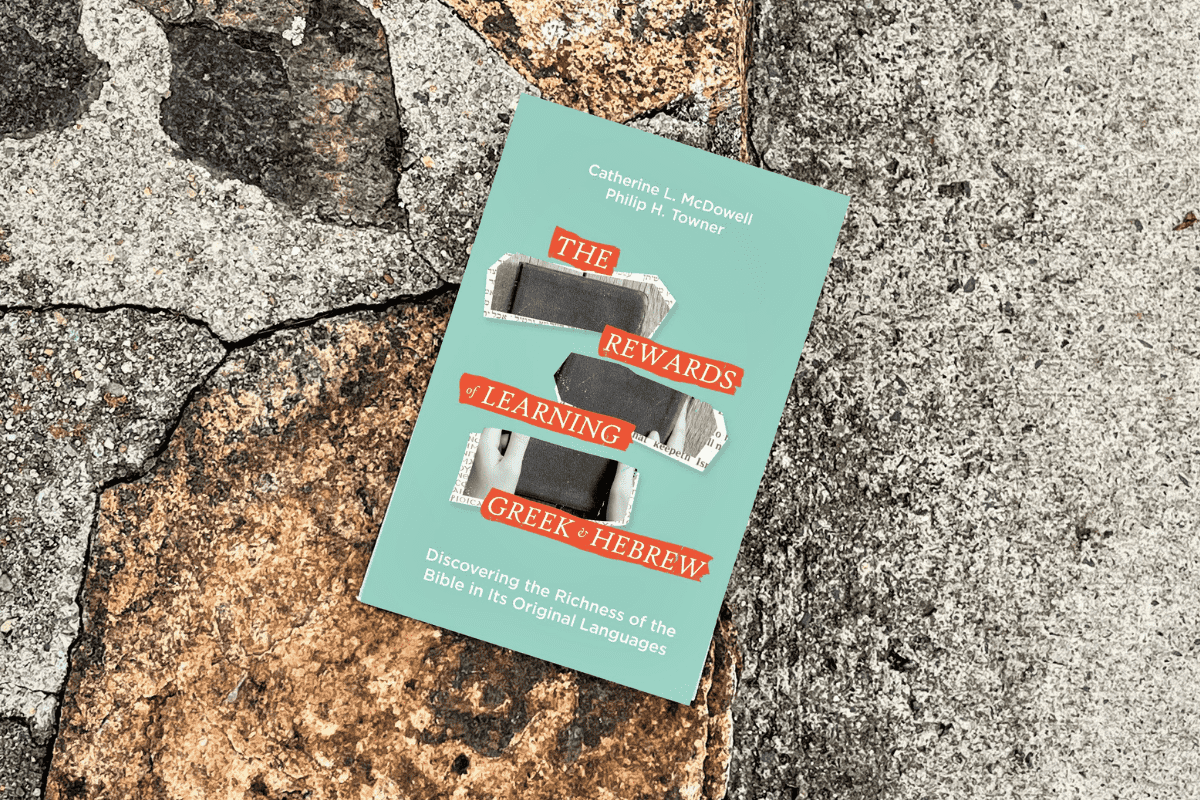
They wrote their book to promote the study of the Biblical languages. These days it has become less common for seminarians to study Biblical languages. Many seminaries and graduate schools do not require the languages any longer. Also, they do not offer enough courses so people can actually use the language after graduation. Forty to fifty years ago that was not the case.
Why the change? McDowell thinks the root is money. Enrollment is down, and schools are making their degrees shorter and easier. To be honest, the language courses are some of the most difficult.
Many popular ministers today do not focus on expository preaching. When they did, they talked about the Greek and the Hebrew in their sermons. So younger people are not being exposed to these insights in sermons. Another factor. The advances in computer technology cause Bible students to imagine they can avoid the hard work of language learning.
At the Lanier Theological Library we are interested in teaching people Greek and Hebrew. That is why we regularly offer Greek classes at the library.
Keep watching the Library website because soon we are going to teach Hebrew too.
Catherine McDowell is associate professor of Old Testament at Gordon Conwell Seminary in Charlotte, NC.
The Rev’d Dr. Philip H. Towner is a professor at Pontifical Urbaniana University in Rome, where he teaches translation studies. He is also a visiting professor of New Testament exegesis and translation at the Pontifical Biblical Institute, Rome.
Dr. Cory Marsh, Professor of New Testament at Southern California Seminary, is passionate about restoring the “pastor-scholar” role in the church, and as such, also serves as Scholar in Residence at Revolve Bible Church in San Juan Capistrano, CA. He is a frequent conference speaker and has written A Primer for Biblical Literacy. In this conversation with David Capes, Cory explains how John’s Greek grammar draws us into the drama experienced by Jesus’ disciples as he jars them with the news of his departure.
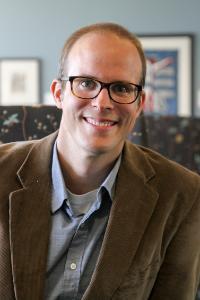
Dr. Andrew Abernethy, Associate Professor of Old Testament and Director of the M.A. in Biblical Exegesis in Wheaton Graduate School, has authored Discovering Isaiah: Content, Interpretation, Reception, among other things. He helps us meditate on the rich and allusive Hebrew phraseology of Isaiah’s song in chapter 12, which recalls the salvation song of Exodus 15.
SUBSCRIBE TO “Exegetically Speaking,” a weekly podcast of the friends and faculty of Wheaton College, IL and The Lanier Theological Library. Hosted by Dr. David Capes, it features language experts who discuss the importance of learning the biblical languages—Hebrew, Aramaic, and Greek—and show how reading the Bible in the original languages “pays off.” Each podcast lasts between seven and eleven minutes and covers a different topic for those who want to read the Bible for all it is worth.


 A Word in Edgewise
You must be logged in to post a comment.